
Kosipo

Iroko

Padouk

Wenge

Azobe

Ayous

Doussie

Dabema

Sipo

Moabi

Okan
Sapelli

Movingui

Bilinga


Family : MELIACEAE
Scientific name : KHAYA ANTHOTHECA – IVORENSIS – GRANDIFOLIOLA
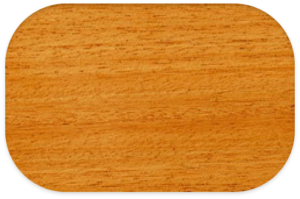
Tension wood and soft heartwood may be present. Pinkish brown to dark red wood with copper highlights.
These properties can vary significantly depending on the origin and growing conditions of the wood.
African mahogany cannot be used without appropriate preservative treatment in applications corresponding to risk class 3, except for certain parts of the structure, such as windows, which are less exposed than others (entrance doors, shutters, etc.).
Pores sometimes filled with black deposits. Dust can cause irritation. Plugging recommended to obtain a better finish.
The main known uses should be validated by using the product in accordance with the rules of the trade. Important note: some uses are listed for information only.
This default classification applies to solid wood meeting the requirements of standard NF EN 14081-1 annex C (May 2006), used in vertical walls. In other words, classified structural timber with a minimum average density of 0.35 and a minimum thickness of 22 mm.

Smeets & Zonen N.V.
Industrieterrein kanaal Noord 1157
3960 Bree
Belgium